

Hunger by the Numbers During COVID-19
Two months in, low-income families in our country continue to bear the brunt of the damage done by COVID-19. We’ve seen images of miles-long lines at food banks. We’ve learned that half of low-income workers report job or wage loss due to the pandemic, compared to 11% and 26% of high and middle-income workers, respectively. In some states, food banks are receiving 100% to 400% more SNAP applications than usual because of COVID-19.
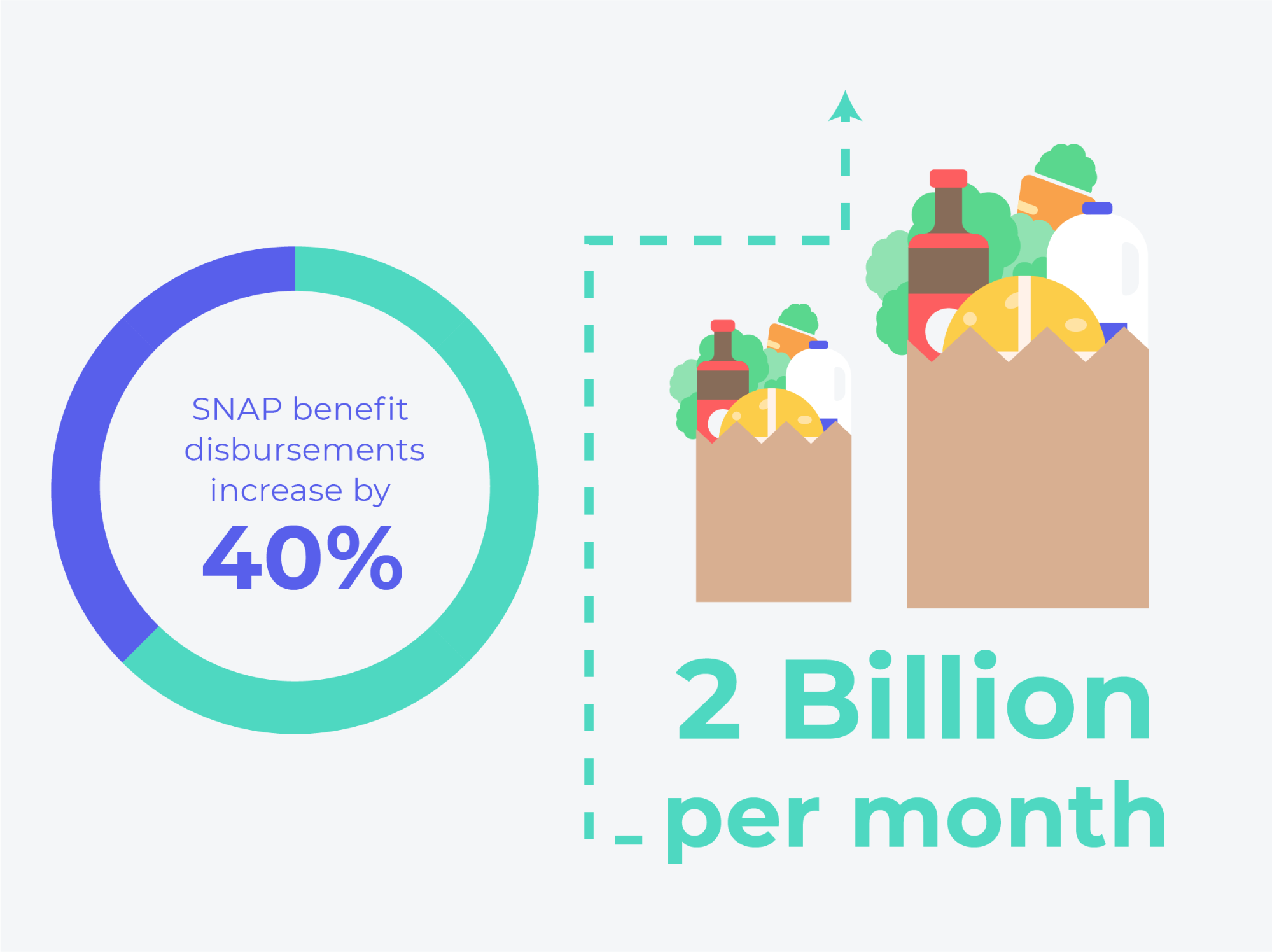
States are starting to catch up, however, and social services are now trending towards increased access. Since COVID-19 started, the total amount of SNAP benefits disbursed nationally has increased by 40% to $2 billion per month. The aim is to support children who are out of school and don’t have access to meals, and the families who have recently had cuts to their wages or have lost their jobs entirely.
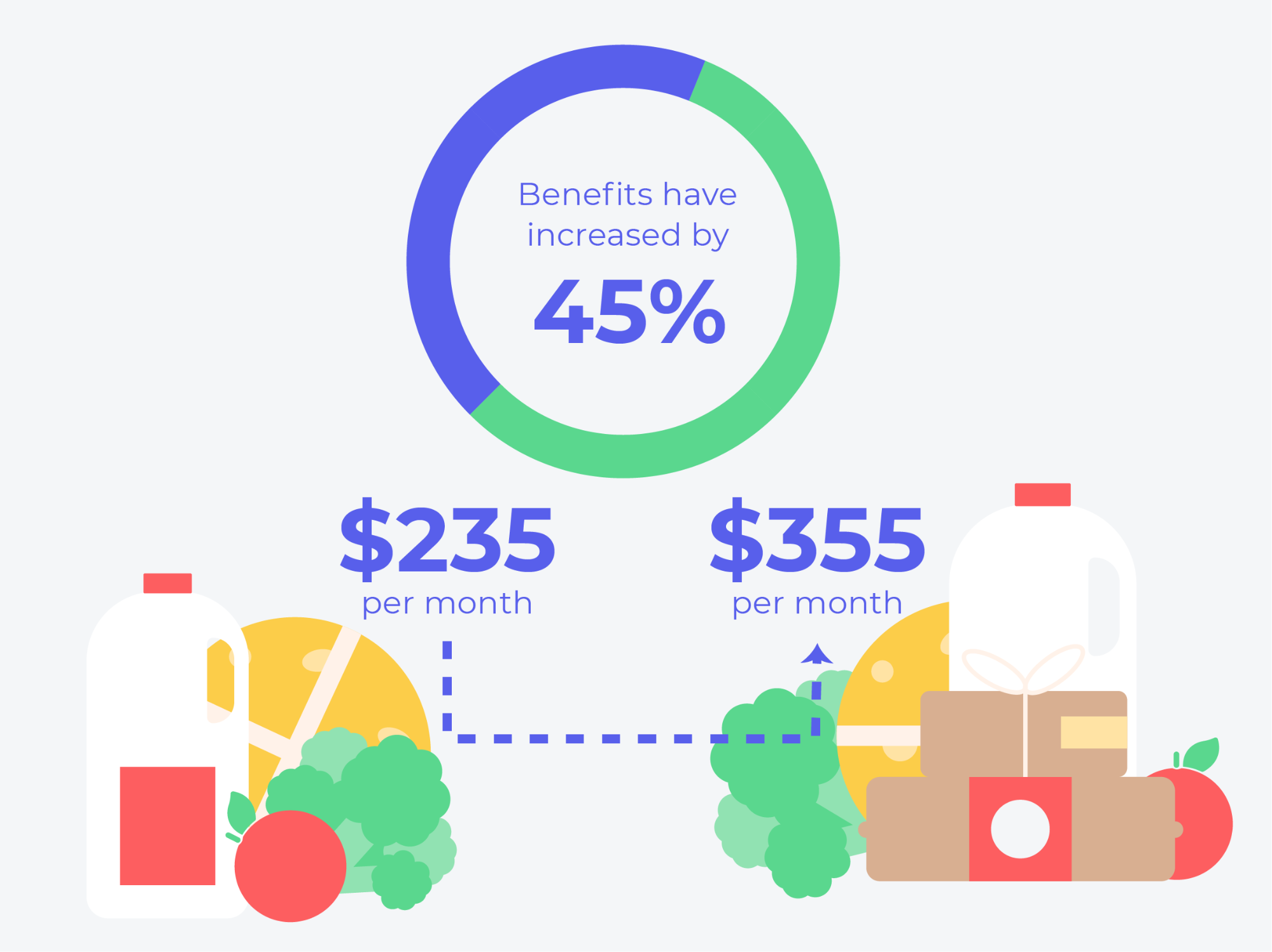
All 50 states approved Emergency Allotments since COVID-19 began, with 44 states still issuing them during May. That means that anyone who has enrolled for SNAP already or who gets approved for SNAP will receive the maximum benefits for their household. A majority of mRelief’s clients are in a household of 2, which means their benefits have increased from an average of $245 per month to $355 per month, a 45% increase.
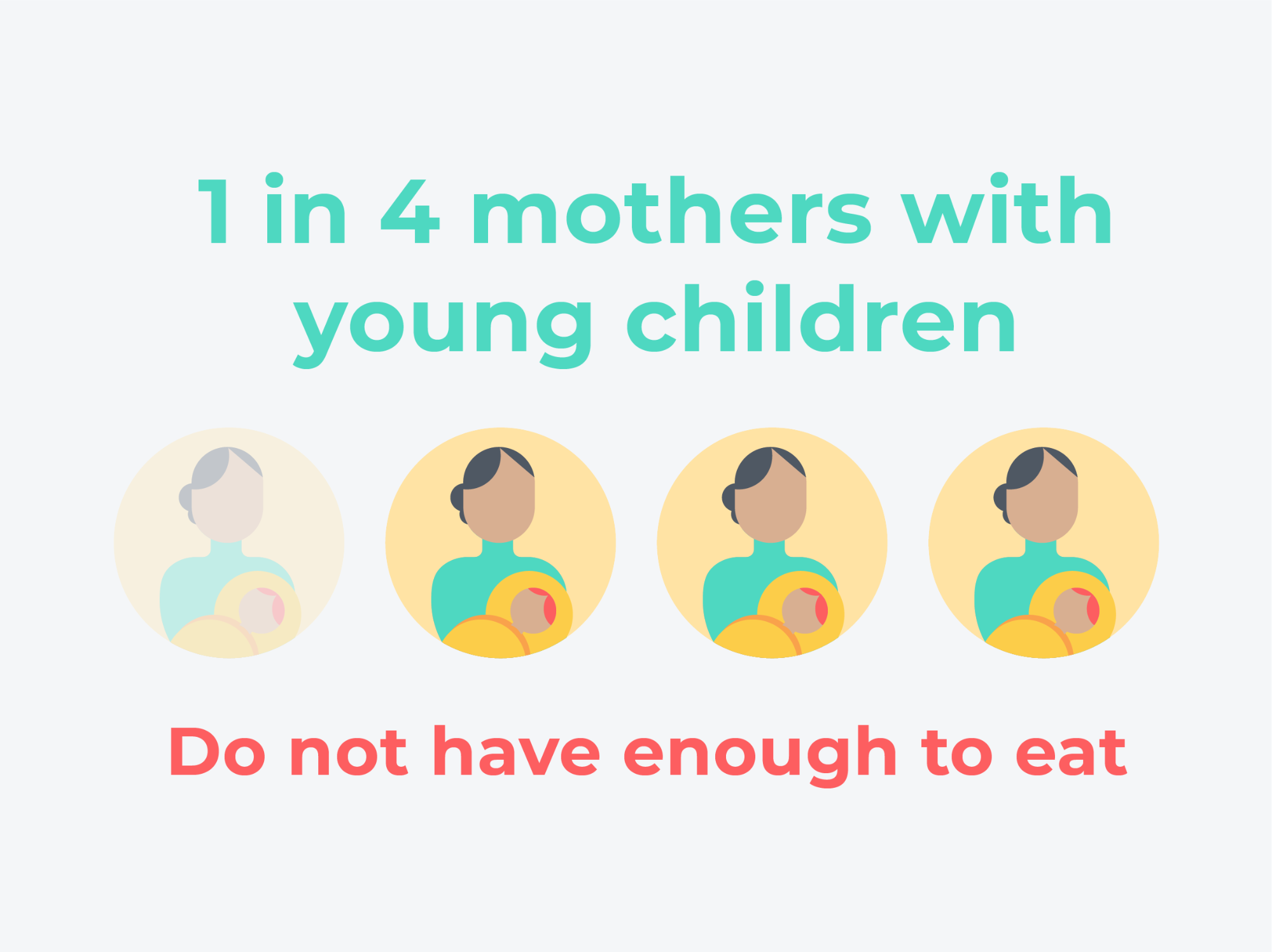
There is still more to be done to keep up with the hunger in our country, however. Right now, more than 1 in 5 mothers with young children report that their children do not have enough to eat, which is three times as high as in 2008, during the Great Recession. Since our last update, another 20 million people in our country have filed first-time unemployment claims, bringing the total number to 30 million.
We’re proud to be one of the many who are a resource for those impacted by COVID-19 and to continue to shape a post-COVID-19 world by increasing access and promoting dignity now.
