

We’re Creating New Pathways to Support

A Message of Resilience
To our mRelief Community,
The past year has been defined by a turbulent landscape for public benefits. From the passage of restrictive federal legislation to the first-ever nationwide disruption of benefits due to a government shutdown, the social safety net has seen increased barriers, designed to block a pathway to stability for those who need it most.
Yet, in the face of these shifting policy barriers and systemic hurdles, our commitment has never wavered. mRelief remains steadfast in our mission to transform access to social services. We are facing this moment with a renewed commitment to our vision and community. We are undeterred by changes meant to challenge the inherent dignity that beneficiaries, community based organizations and our partners deserve. Instead, we see them as an urgent mandate to innovate, adapt, and reinforce the infrastructure that vulnerable households rely on.
Together, we can ensure that access to essential benefits remains within reach, no matter how the landscape evolves.
With determination and gratitude,

Brittney Jones
Executive Director
Navigating Barriers to Support
In 2025, sweeping changes to public benefits programs brought the social safety net into the spotlight, raising urgent questions about access to essential support for millions of households. The passage of House Resolution 1 (HR-1), nicknamed “The One Big Beautiful Bill”, has already excluded 3.5 million people from accessing SNAP by introducing new administrative challenges. States will be mandated to pay a share of SNAP for the first time in our nation’s history if they’re unable to fix their “SNAP Error Rates,” or the rates at which the state agencies overpay, underpay, or make administrative errors at the same time they are facing a huge cut in funding for administrative support. The bill also introduced new administrative requirements for older adults, parents of teenagers, veterans, and unhoused people. Finally, the bill denies refugees and asylees the ability to get food assistance.
Work Requirement Expansion
An estimated 3 million people (ages 55-64 and those with children ages 14-17) will be newly subjected to the Able-Bodied And Without Dependents (ABAWD) 20-hour-per-week work requirement, along with people experiencing homelessness and an estimated 270,000 veterans.
Non-Citizen Criteria Changes
People granted humanitarian protections (such as refugees, asylum seekers, and certain victims of human trafficking and domestic abuse) are no longer eligible for SNAP.
Increased State Costs
Starting in FY27, states must pay an additional 25% of SNAP administrative costs (increasing their portion to 75%), and starting in FY28, states will pay a portion of SNAP benefits for the first time based on their payment error rate.
The policy changes introduced by HR-1 will have real and lasting impacts on those who rely on SNAP to feed their families, food banks and other organizations that will struggle to fill the hunger gap, and the states that will be paying out-of-pocket to fund the program.
Creating New Pathways to Support
Where policy creates barriers, our team uncovers opportunities to build a more empathetic, seamless system. Since 2014, we’ve been developing our digital infrastructure to ensure that we can quickly adapt our technology to meet new systemic challenges.
Building Pathways to Keep People Informed
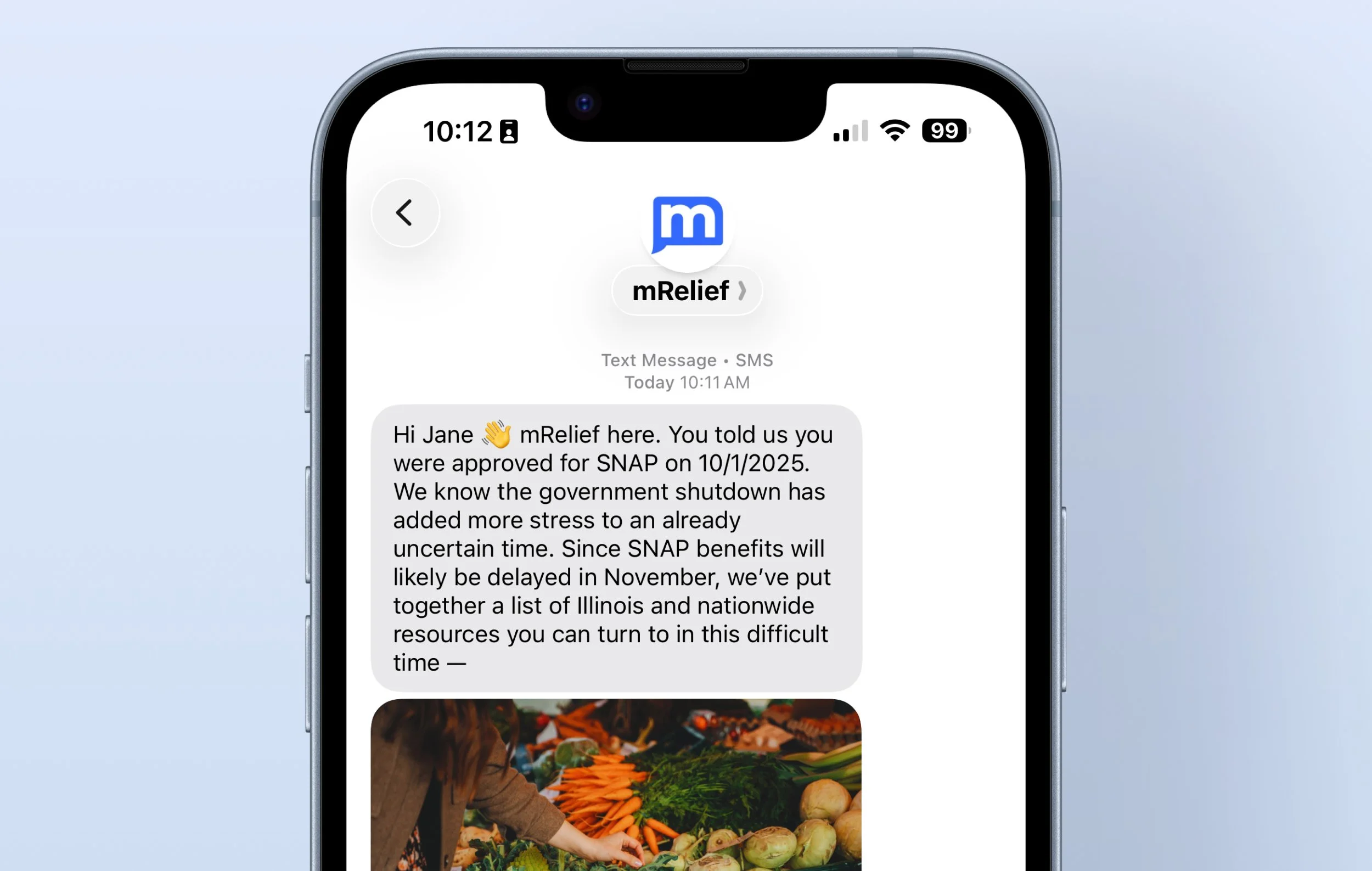
In November, the nationwide government shutdown disrupted SNAP benefits for the first time ever, leaving recipients to decode confusing, often contradictory federal guidance. The unclear messaging added to the stress of finding essential resources and undermined the dignity of those already facing hardship.
When people were unsure where their next meal would come from, mRelief quickly mobilized an internal working group to keep our users informed and bring clarity to a moment of crisis. We proactively sent SMS texts to eligible clients, provided daily updates on our screener page, and coordinated our responses with our community-based partners to share localized, specific resources so families were not left navigating the uncertainty alone.
In the wake of these challenges, we also invited food banks, social workers, and advocates for a Town Hall to make sense of the shifting policy landscape. Together, we reaffirmed a simple truth that accessing food should not be a privilege. It is a human right.

Widening Our Support Scope
Expanding access to food assistance means helping households connect to every program available to them, not just one. That’s why we integrated WIC into our national screening tool, allowing families to learn about multiple sources of support through a single, streamlined experience. In just eight months, we identified over 28,000 WIC-eligible individuals and directed thousands straight to their local agencies. As changes to public benefits programs create new barriers for many households, WIC provides families—particularly immigrant and mixed-status households—another path to the support they need.
28,811
unique WIC-eligible screeners
2,396
directed to local WIC agency
NY, MD, and CA
states with the most WIC-eligible screeners

Accessing Support Equitably
Designing equitable technology for the social safety net is essential and recent research from the Washington Center for Equitable Growth found that SNAP applicants who identify as Black or Hispanic face significantly more psychological barriers when applying. In order to assess how mRelief’s products impacted the different demographics we serve, we started a research project to identify barriers faced by BIPOC (Black, Indigenous, and People of Color) applicants. We received 60 responses to our pre-screener survey and we began conducting user interviews with selected BIPOC respondents.
Our early research suggests that uncertainty about eligibility and lack of income documentation are key barriers behind gaps in SNAP application completion. We are continuing to expand interviews to better represent BIPOC users and build a statistically meaningful data set.
Once our research is complete, we plan to use these findings to inform future technology improvements. Key opportunities include analyzing and improving user confidence in eligibility outcomes and exploring income validation tools to streamline income reporting and ensure the accuracy of financial information.
38%
Pre-screener survey respondents identified as BIPOC
56%
BIPOC respondents reported that they “agree or strongly agree that the SNAP application process was stressful or overwhelming”

TEXTS FROM OUR USERS
“After trying for a year and not getting anywhere, through mRelief, it was simple.
Thank you.”
—mRelief user, NC
Impact by the Numbers 2025
From initial outreach to application follow-up, mRelief’s end-to-end process adds value every step of the way for SNAP applicants.
SNAP Benefits Unlocked
$257,848,527
Eligibility Screeners Completed
411,445
mRelief SNAP Applications Submitted
59,916
User Satisfaction Rating
9.26/10
2025 Demographic Highlights
Screened likely eligible for SNAP
333,769
Over the age of 60
42%
140,409 eligible screeners
Has a disability
16%
54,211 eligible screeners
Is a student
9%
30,607 eligible screeners
A Network that Drives Impact
As a Y Combinator-trained startup, mRelief has always been data-driven, but what makes our work unique is the many people who have influenced it. We work closely with social workers, food banks, schools, and government partners to improve outcomes in real time. This commitment allows solutions to evolve alongside the communities they serve. Since 2014, we have developed and iterated on a digital infrastructure that has supported hundreds of organizations in helping millions of people.
2025 Partner Impact
42
Partners using mRelief’s CRM, Johnnie for SNAP enrollment
12,798
SNAP applications assisted by partners
20,884
Clients served
$20,555,406
Estimated SNAP benefits unlocked with our partners
mRelief’s Impact Since 2014
5,511,295
Total eligibility screeners completed since 2014
$2,246,991,773
Total estimated SNAP benefits unlocked since 2014
IMPACT BEYOND THE NUMBERS
A client in Idaho, Julie, completed mRelief’s eligibility screener and then applied with support from one of our partner organizations, Hunger Free Idaho. After receiving support, Julie became interested in the work itself. What started as a conversation about benefits became an opportunity.
TEXTS FROM OUR USERS
“...thank you for making my experience a pleasant one. When a person finds themselves homeless and in need, having a caring person help me with the process of finding relief, it's a relief. Thank you again and here's looking to a brighter future. Being able to eat will go a long way. God bless...”
—mRelief user, TX
The Power of Collective Action
From One Benefit to a Broader Pathway
Families too often encounter public benefits as a series of disconnected systems. A household receiving Summer EBT may also be eligible for SNAP, but without a clear bridge between programs, families are left to navigate separate rules, systems, and application processes on their own. Too often, that means a moment of eligibility becomes a missed opportunity for support.
In Maryland, mRelief and the Maryland Department of Human Services showed what it looks like to change that.
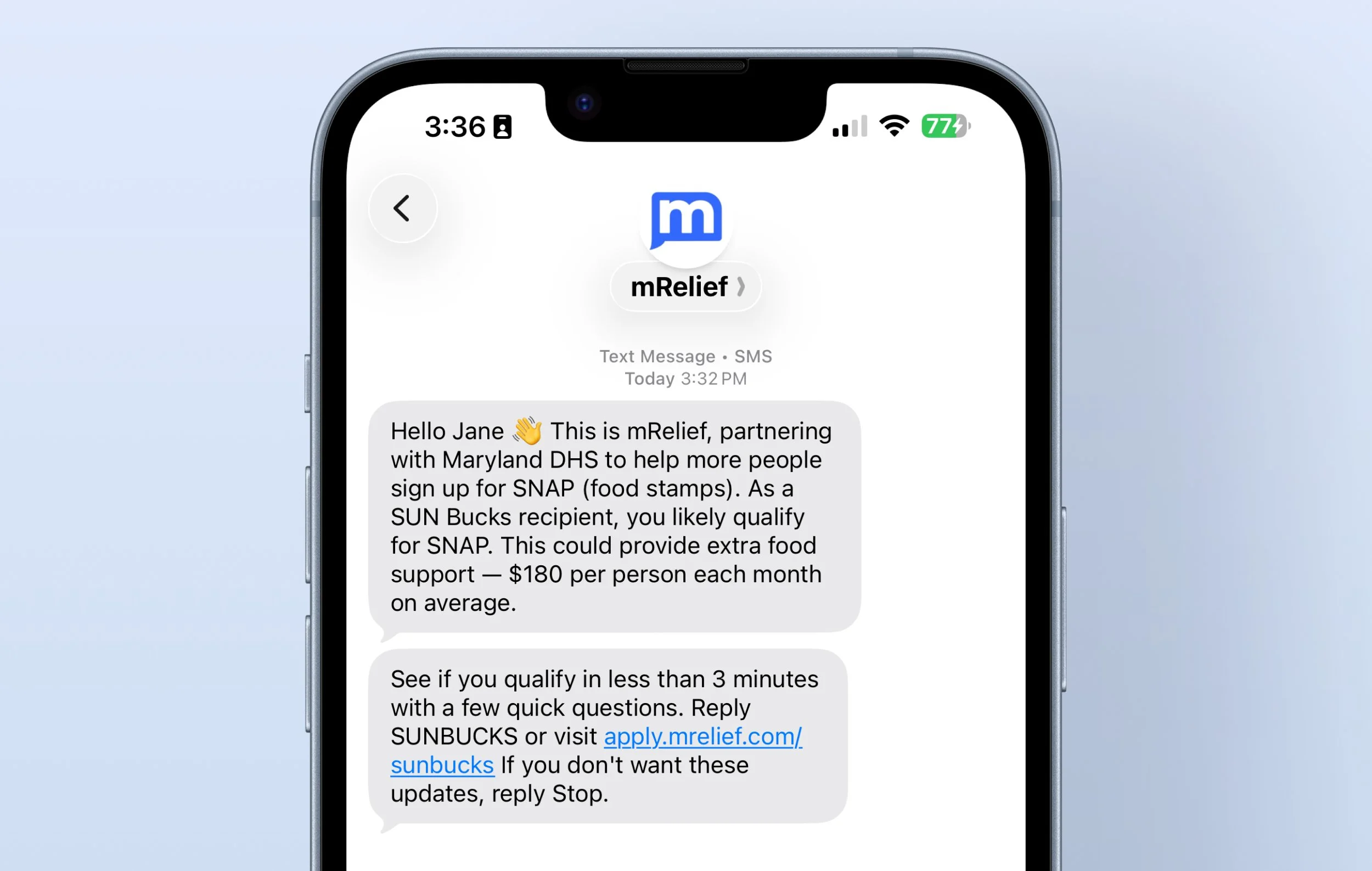
With support from Share Our Strength, the partnership launched a targeted outreach campaign connecting families receiving Summer EBT to SNAP eligibility information and enrollment support. Using state-provided data, mRelief identified families most likely to qualify and reached them through direct SMS outreach designed to be clear, timely, and easy to act on.
During the September 2025 cross-enrollment pilot, mRelief doubled Maryland’s SNAP enrollments among SUN Bucks recipients. This project showed what becomes possible when institutions share information transparently and work toward a common goal.
28,811
households with children
2,700
households enrolled in SNAP
$5.5 million
estimated in SNAP benefits unlocked
Meeting the Moment Together
As we faced many historic challenges in 2025, we were reminded that it is our strong network of collaborators who drive the work we do. After the passage of HR-1, mRelief hosted a town hall dedicated to giving our community of partners a virtual space to unpack these policy changes, explore their implications, and chart a path forward.
In addition to breaking down the complexity of the bill, we gave our partners from across the country the opportunity to share how they were adapting in this policy environment. Many partners noted valid concerns raised by families in mixed-status households about the handling of their personal data at the federal level, as well as a general decrease in individuals willing to apply for public benefits.
Although we were meeting under somber circumstances, one partner reminded us that SNAP is more than some cash for food every month; it’s a portal to museum tickets, farmer’s market discounts, and many other public benefits. This perspective was a helpful reminder to us all that connecting people to SNAP is connecting people to so much more than food.
120+
participants, including service providers, advocates, and public servants, joined us to discuss the human and systemic impact of HR-1.
“
SNAP is more than some cash for food every month; it’s a portal to museum tickets, farmer’s market discounts, and many other public benefit.
Pathways Built with Our Technology
HR-1 has introduced new roadblocks that make it harder for people to access SNAP, largely by increasing the administrative burden for applicants, community partners, and the state agencies that process applications. In response, we are exploring innovative ways our technology can create new pathways to support. We are building on our proven end-to-end process and focusing improvements on the parts of the experience most likely to be strained by the new requirements. Our technology strategy centers on being responsive and adaptable so that, even as rules become more complex, the path to assistance stays clear and supportive.
Exploring New Pathways to Support with AI
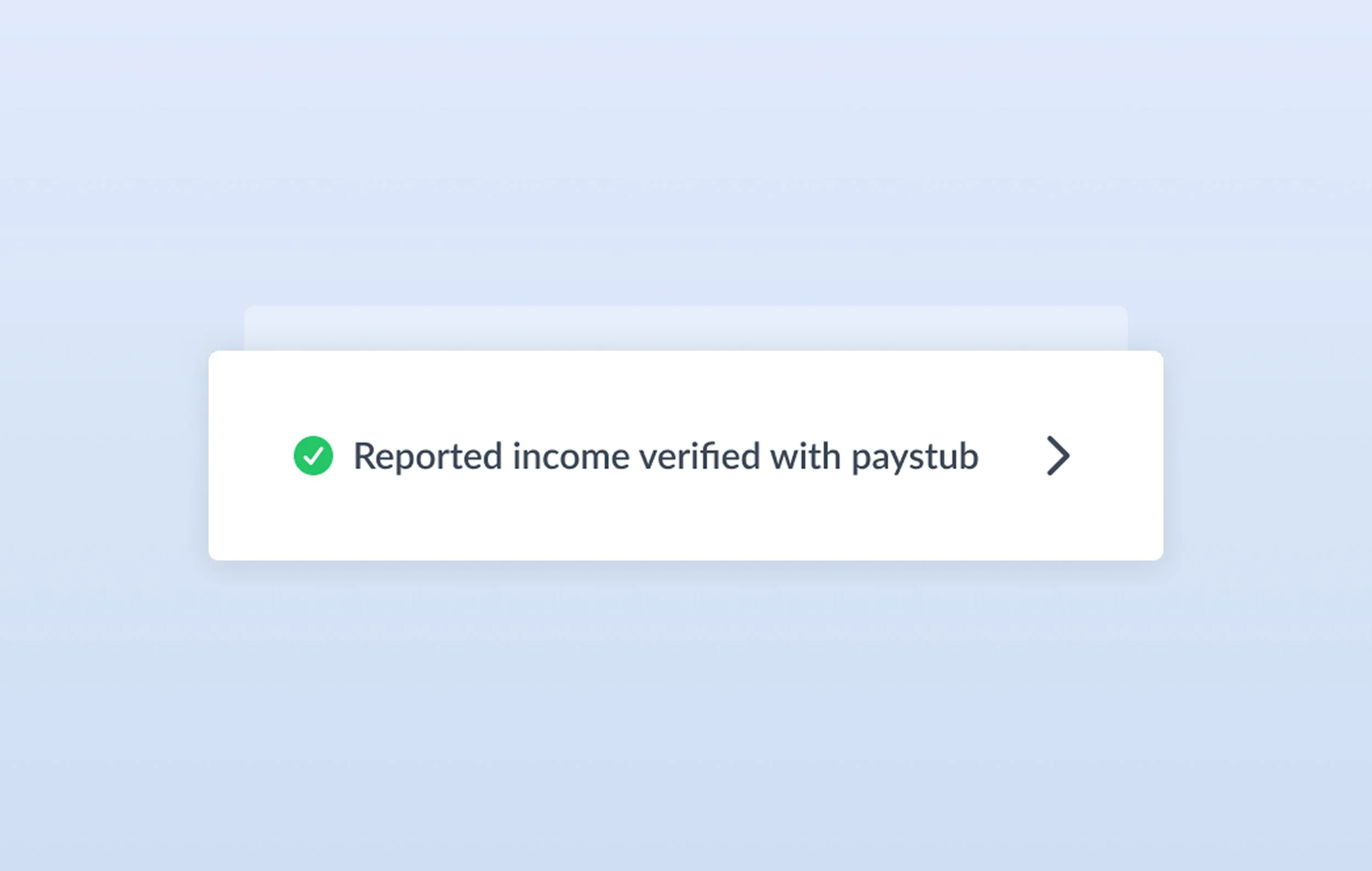
We are expanding our AI document verification and chatbot capabilities to respond more directly to the challenges introduced by HR-1. With AI document verification, we are moving beyond assessing document quality and toward autonomous workflows that can identify document type. We hope these expanded capabilities will enable earlier validation of key information during the application process. We are also exploring how the chatbot can be integrated more seamlessly into the application experience so it can provide richer, in-the-moment guidance, and how these same capabilities could support caseworkers with policy assistance.
We hope to partner with state agencies and community partners to research, test, and learn which barriers are true blockers and which technology interventions will be most effective. Finally, we are building with intention and keeping privacy and oversight foundational to our work. As we expand these tools, we are designing systems that minimize exposure of personally identifiable information and support human review, evaluation, and auditing alongside automation.
Optimizing Johnnie for Adaptable Support
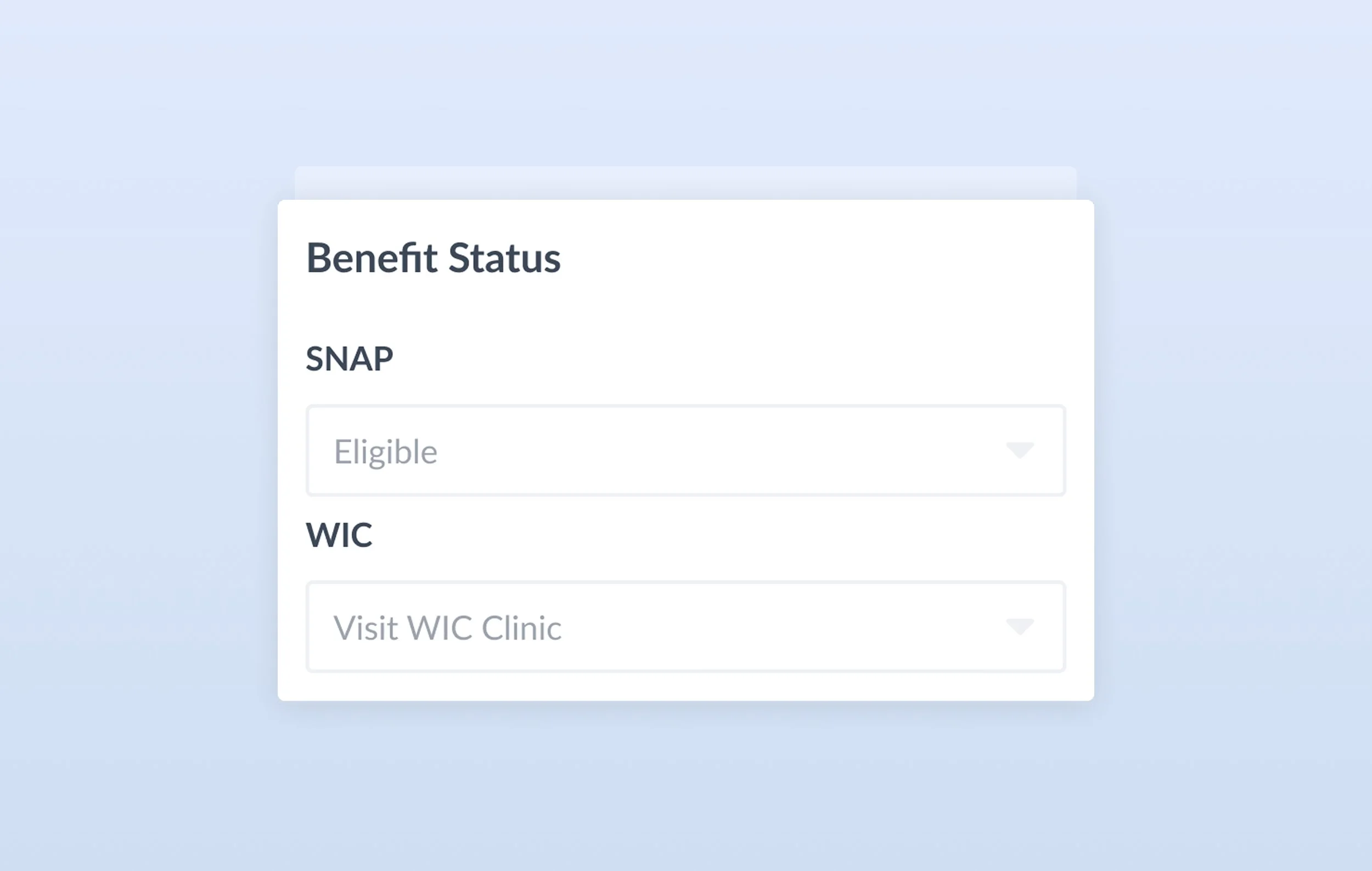
We are also investing in our CRM Johnnie so our network of community partners has a flexible, adaptable tool that can evolve as policy and operational realities change. We are optimizing what is already strong, making the platform more modular, and strengthening the core workflows that help partners and states create their own pathways to support. This includes building the system alongside our partners so it can be tailored to different programs and local needs, while staying simple to adopt and durable over time.
We’re Building Pathways Together
We are deeply grateful to the partners and donors who make our work possible. Your support empowers us to build sustainable pathways to essential benefits for families across the country.



Join the Movement
In a time when the path to stability is being actively dismantled by policy, mRelief is not just adapting. We are building stronger, more durable pathways to access. Join us in reinforcing the digital infrastructure that provides relief, dignity, and a clear path forward for every family seeking the support they deserve.

Donate
Fund our work to help us build durable pathways to support. Your investment helps us remove barriers.
Partner
Partner with mRelief today to help us ensure that no legislative barrier can block the right to food.