

Meeting Clients Where They Are

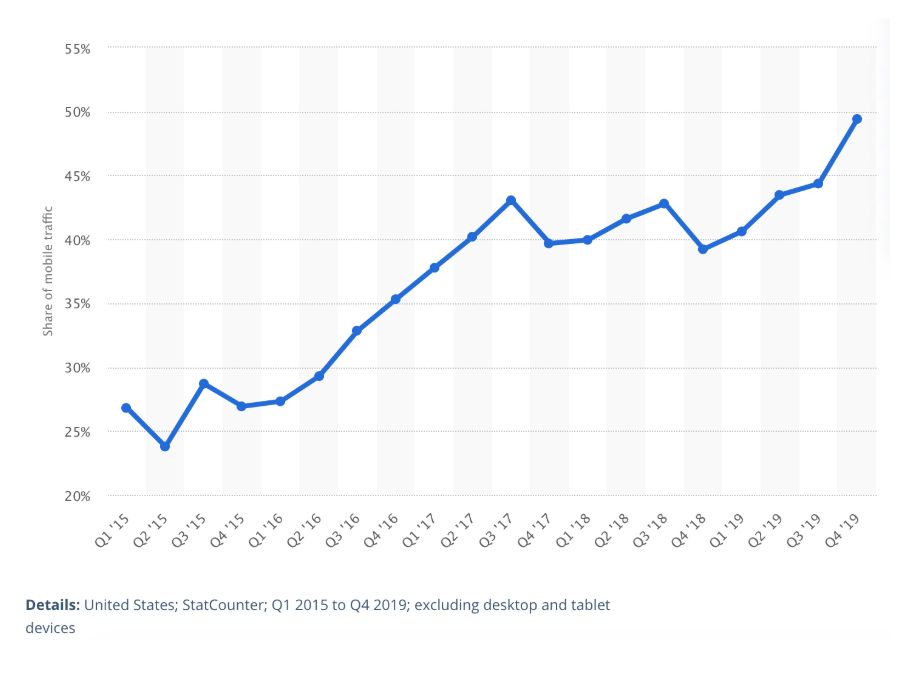
The percentage of mobile website traffic has been growing steadily over the past four years and has just reached 50% of all Internet traffic in the United States, as shown in the graph below. Consistent with this national trend, 62% of mRelief users currently visit our website on a mobile device.
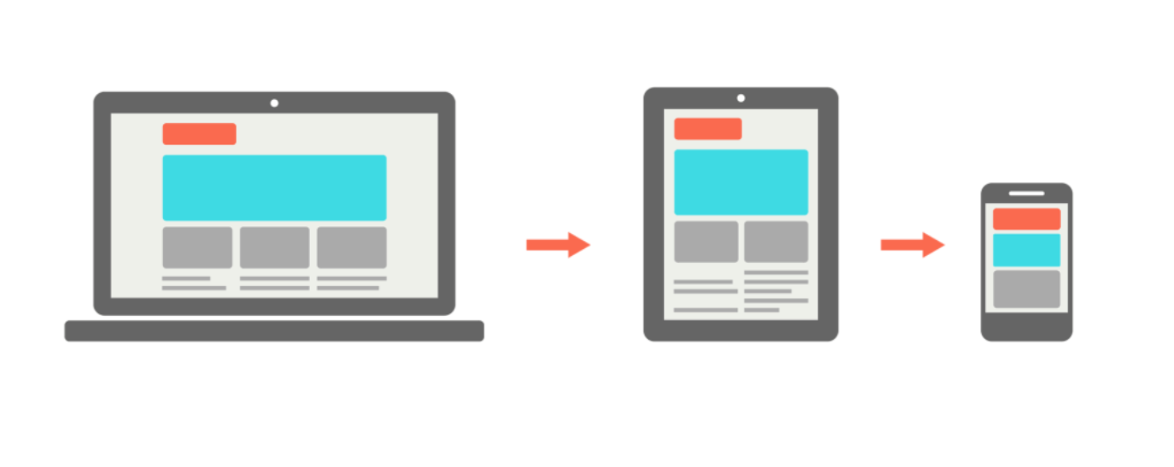
To best serve people on all devices, websites should be responsive and automatically adapt to any screen size. When a website is optimized to render on any screen size and automatically adjust its layout, the website is considered mobile-responsive as visualized below.
Across all sectors, organizations have been updating their websites to make them more responsive to device sizes. For example, GSA.gov recently updated their website and added in mobile responsiveness among other user experience enhancements. In its Mobile Playbook, Google provides many case studies of businesses that optimize their websites and improved business outcomes. When Home Depot invested in a mobile-responsive website, mobile conversions double and mobile sales quadrupled.
Given the benefits of investing in mobile-responsive websites, legislation has been enacted to help people better connect with their government. Under the Connected Goverment Act that was signed into law in January 2018, federal agencies that create or redesign websites for the public should ensure that their websites are mobile-friendly to the “greatest extent possible.”
When a website is fully responsive to device size, it reduces the need for an agency to build an additional mobile app to reach people who only have access to a smartphone for Internet connection. Both 18F in the US federal government and the Government Digital Service in the UK recommend building a mobile-friendly website over a mobile app for similar reasons. Since apps have to be downloaded, they have a higher barrier to access, and after they are downloaded, they typically use more data. Because mobile apps must be accessible on both Androids and iPhones, they are typically more expensive to build and maintain. These digital agencies recommend only building an app when functionality requires the sensors in mobile devices.
To find out if a website that you are working on is mobile-friendly, Google provides a tool that you can use to quickly check. If the website is not mobile-friendly, it offers actionable recommendations on where to begin and how to become mobile-friendly.
