

COVID-19 maximum SNAP benefits are ending: What does that mean for families?
Key Takeaways
- States will no longer be able to provide maximum SNAP benefits to all households after February 2023. This change comes at a difficult time for many families.
- Families who were receiving extra SNAP benefits under the emergency allotment program will see a large decrease in their benefits in March 2023.
- To prepare for the decrease, families can report changes that may increase their benefit amount. They can also find and use local community resources, like a food bank.
History of COVID-19 Emergency Allotments
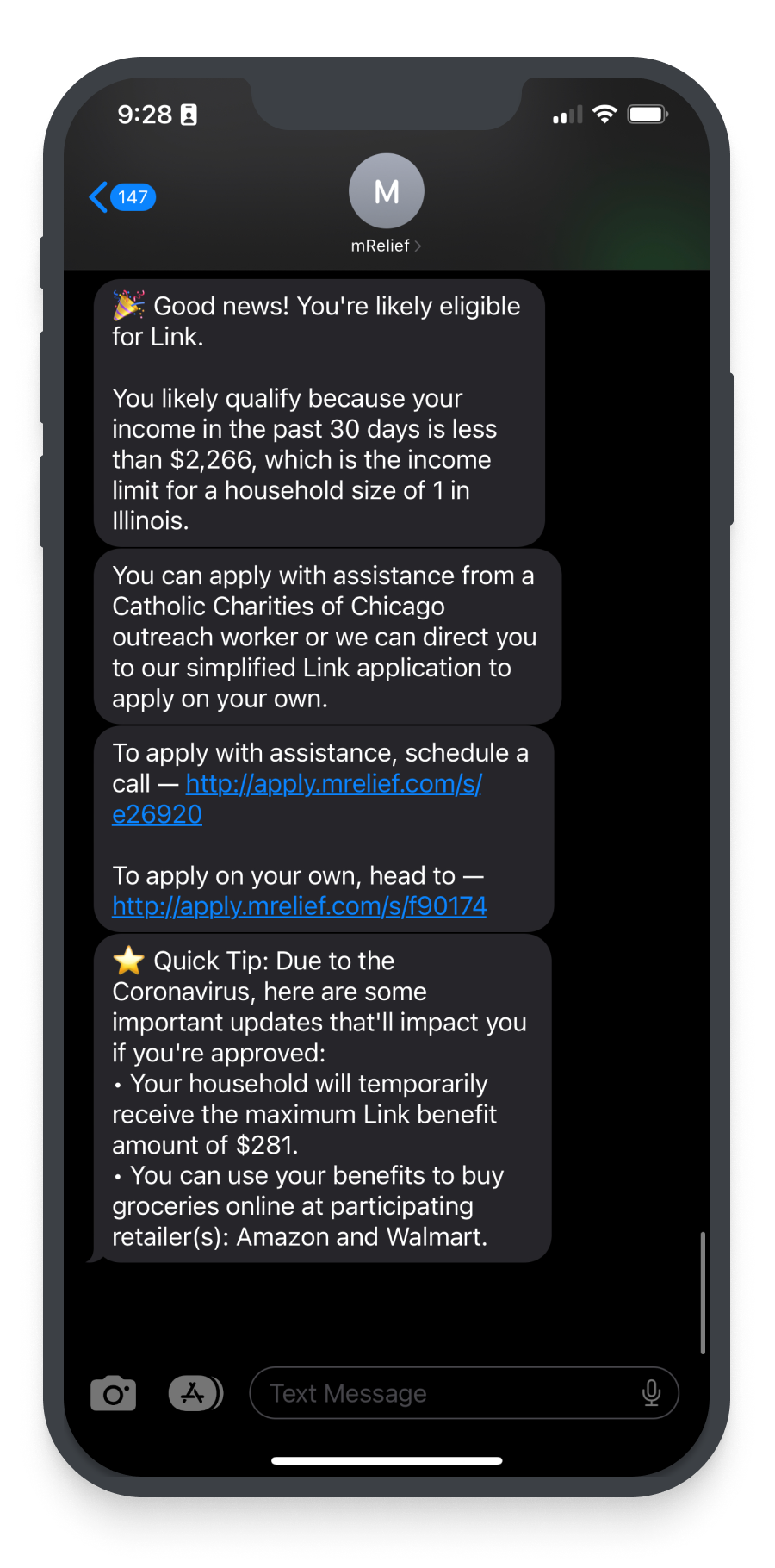
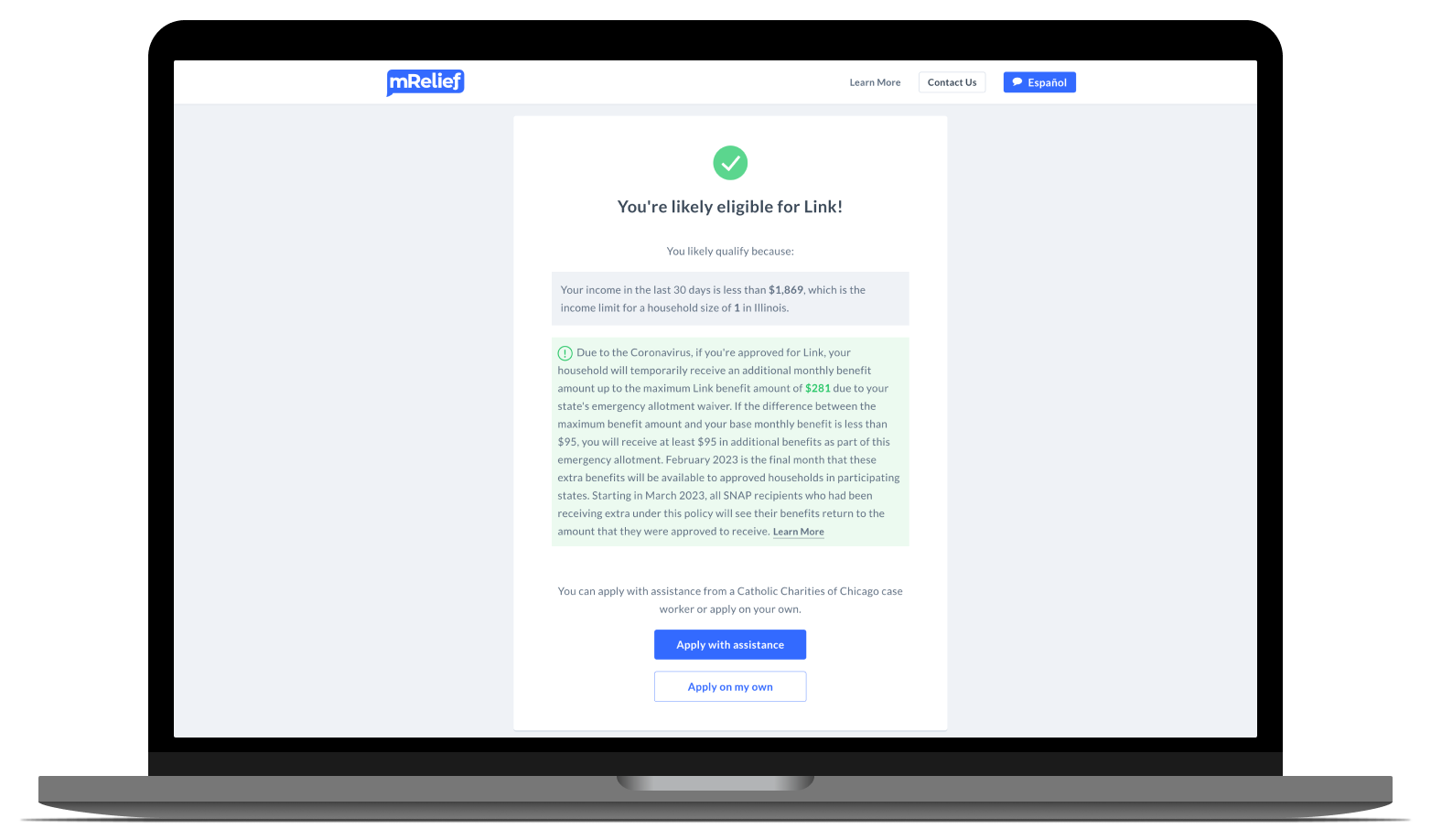
At the beginning of the COVID-19 public health emergency, Congress passed the Families First Coronavirus Response Act of 2020. This legislation allowed states to request approval to provide extra benefits each month to SNAP recipients through the COVID-19 emergency allotments waiver. In participating states, emergency allotments increased SNAP benefits to the maximum benefit amount for all approved households. In April 2021, the government modified the program to provide a minimum of a $95 increase for those families already approved to receive at or near the maximum benefit amount.
The emergency allotments program was designed to continue until one month past the end of the federal declaration of a Public Health Emergency (PHE). However, in December 2023 Congress ended the program early as part of the Consolidated Appropriation Act Bill of 2023. As a result, states will not have the option to provide these extra benefits after February 2023.
Extra benefits are ending, what does that mean for families who receive SNAP benefits?
"...this economy has really made me struggle it's either I paid my electric bill or I paid for food so I fall behind [on] so many other bills…but barely can afford to eat"
— Sarah from Cook County, IL
With the end of the emergency allotments program, all SNAP households who had been receiving the extra benefits will see their benefits go down in March 2023. The benefit decrease will range from $55 to $255 per person per month for affected households.
This change comes at an already difficult financial time for many families. There is a national egg shortage. Other supply chain issues are increasing the cost of groceries. Other temporary supports have also ended. For example, the expanded Child Tax Credit expired. Other temporary programs are also soon coming to an end, such as Medicaid continuous enrollment. These programs helped to substantially decrease poverty. Now that they have ended, many families that experienced some relief are now back in crisis.
Emergency allotments provided households who qualified for the smallest monthly benefit with the biggest increase, as their benefits were adjusted to the maximum for their household size. Working households and elderly and disabled households with fixed incomes tend to qualify for the minimum benefit. As a result, these households are more likely to see a bigger benefit loss as emergency allotments end.
"I just need a little help…I am struggling with all this inflation of food, rent, electric, gas. I know I am not alone. We all need help."
— Cynthia from Jefferson County, KY
What can families do to prepare for a decrease in their SNAP benefits?
Report any household changes that could increase benefits
Most SNAP recipients only report changes when required to complete an interim report or renewal. However, if a household has experienced certain changes, they may be eligible for more in SNAP benefits. Some examples of changes that may increase benefits include:
- The number of people in the household increased
- Total household income has decreased
- Child care, child support, housing, or medical* expenses have increased
* only household members over the age of 60 or who are disabled can deduct medical expenses
If a family experienced any of these changes, they can choose to report the change to their SNAP office. The SNAP office would then recalculate their benefit amount.
Take advantage of local community resources, such as food pantries
We’ve compiled some ideas for how to make SNAP benefits stretch further and a list of discounts that SNAP recipients may be eligible to receive. These resources include programs for free or reduced cost internet and utility assistance.
Other platforms have made it easy to locate additional resources by zip code. Findhelp.org aggregates many different kinds of resources. Foodfinder.us provides a map of nearby food pantry locations.
How can community members help families dealing with the effects of this change?
Anyone can help families struggling with increased food costs and other challenging circumstances by volunteering, advocating, or donating:
- Volunteer with your local pantry/food bank or through programs like Lasagna Love.
- Ask Congress to strengthen SNAP in 2023 by writing letters or calling your representatives.
- Donate food or funds to your local food pantry.
Interested in working with us to help address this challenge?
We're excited to hear your ideas.
